
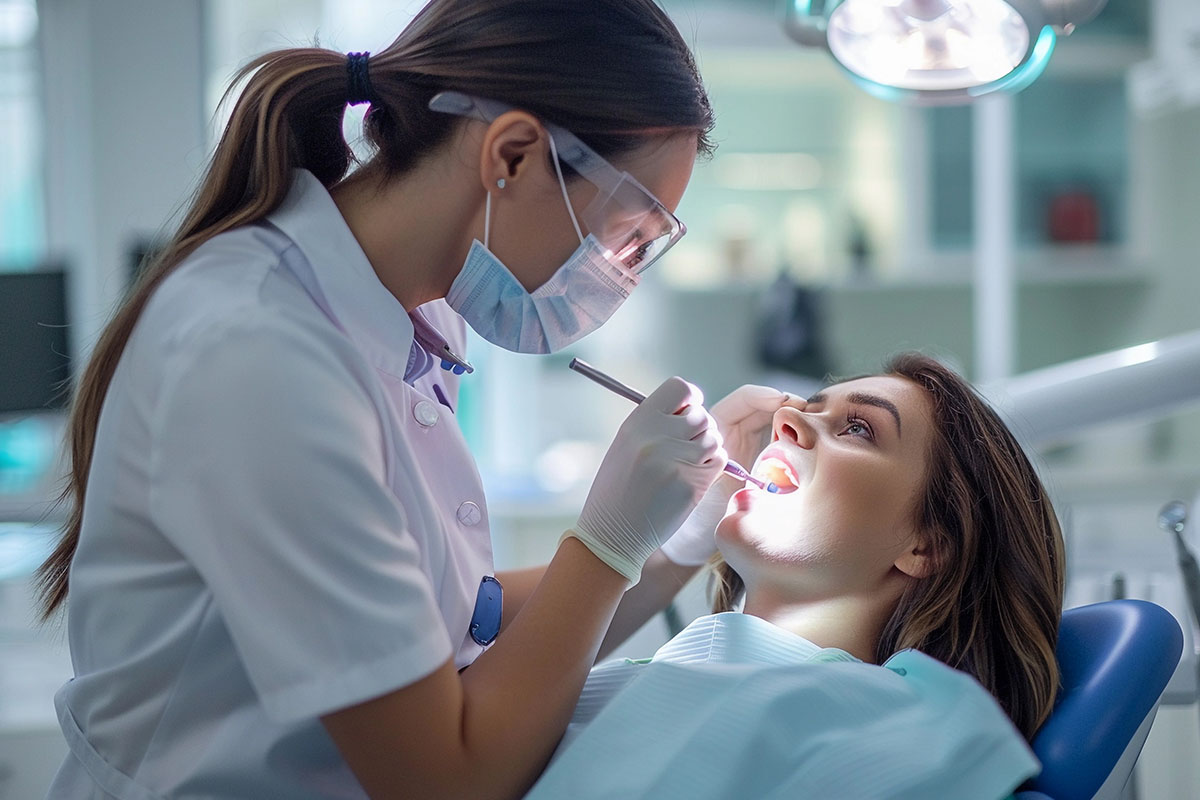

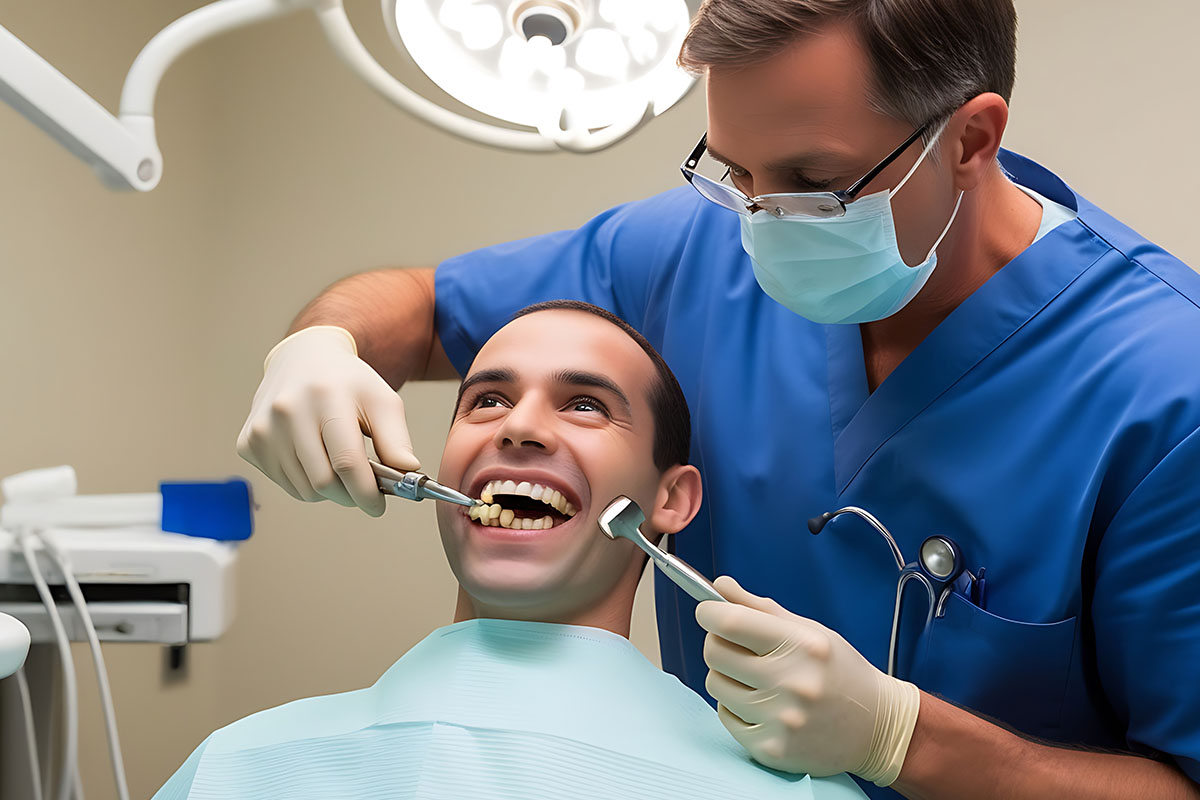
Tooth extraction is the removal of a tooth from its socket in the bone. It’s a common dental procedure, often done for severe tooth decay, advanced gum disease, impacted teeth (like wisdom teeth), orthodontic spacing, fracture, high infection risk, or baby teeth that haven’t fallen out.
Severe Tooth Decay: When infection or breakdown is too extensive for a filling or crown.
Advanced Gum Disease (Periodontitis): If gums, bone, or tooth support is too damaged.
Impacted Teeth: Especially wisdom teeth trapped under the gum.
Orthodontic Treatment Planning: To create room for proper tooth alignment.
Infection Prevention: For teeth with high infection risk.
Irreparable Fractures: Severe cracks or fractures, especially below the gum.
Retained Baby Teeth: If baby teeth aren’t falling out when permanent teeth are ready to erupt.
Exam and X-rays to determine the tooth’s condition, root structure, and extraction method.
Numbing of gums and surrounding tissue to prevent pain during extraction.
Simple Extraction: For teeth visible above the gum. Dentist uses forceps to gently loosen and remove the tooth.
Surgical Extraction: For teeth below the gum line or severely broken. Involves a small incision into the gum and possibly removing bone or sectioning the tooth.
Place gauze on site to control bleeding.
Prescribe medications and detailed aftercare instructions.
Blood clots begin to form for healing.
Slight discomfort and swelling are normal; avoid strenuous activities and using straws.
Noticeable healing.
Bleeding and swelling should subside; continue soft foods and warm saltwater rinses.
Extraction site closes, blood clot stabilizes.
Contact dentist if persistent pain, bleeding, or swelling.
Gum fully closes, bone starts to remodel.
Complete healing; may see indentation where tooth was removed.
Apply Gauze Gently: Controls bleeding post-extraction.
Rest: Essential for healing, avoid heavy exercise for 3 days.
Pain Management: Use recommended painkillers (e.g., Ibuprofen).
Oral Hygiene: Avoid brushing extraction area at first, but keep other teeth and gums clean.
Eat Soft Foods: Avoid anything crunchy or hard.
Avoid Suction: Don’t use straws, spit, or smoke to prevent “dry socket.”
Limit Alcohol & Hot Foods: These can disrupt healing.
No Touching: Don’t poke, suck or play with the site.
Stay Hydrated: Drink plenty of water.
Attend Check-Ups: Important for monitoring healing and preventing complications.
Regular visits to the dentist offer numerous benefits for maintaining optimal oral health. They help in early detection of issues like cavities, gum disease, and oral cancer.
Yes, we accept most major dental insurance plans. Please contact us to verify your coverage.
Yes, we accept most major dental insurance plans. Please contact us to verify your coverage.
Yes, we accept most major dental insurance plans. Please contact us to verify your coverage.
Yes, we accept most major dental insurance plans. Please contact us to verify your coverage.
Yes, we accept most major dental insurance plans. Please contact us to verify your coverage.
We always take care of your smile
+254726 563674

Spector Dental Clinic: Where Quality Meets Affordability! A smile you deserve.
